The Ultimate Guide to Kitchen Organization

You’ve probably experienced this. You clean your kitchen. It looks perfect. Everything is in place. Then a few days later… it slowly falls apart. Spice packets pile up. Cabinets get crowded. Counters feel busy again.
So you reset.
Again. And again.
Here’s the truth most people miss:
👉 The problem isn’t effort
👉 The problem is the lack of a system
Most kitchens are built around storage, not flow.
At Netai, we approach this differently.
We design kitchens as living systems where everything has:
- A role
- A place
- A natural way to return after use
Because the goal isn’t to organize once.
It’s to create a kitchen that stays organized without constant effort.
What Kitchen Organization Really Means (And Why Most People Get It Wrong)
Organization vs Tidiness
Tidiness is what you see after cleaning.
Organization is what keeps things in place after you stop trying.
A tidy kitchen can still be chaotic underneath.
An organized kitchen feels calm even when in use.
The “Reset Problem”
If your kitchen keeps getting messy, it’s not random.
It means:
- Items don’t have clear homes
- Storage doesn’t match your habits
- Your setup works against your routine
So every few days, you’re forced to reset everything manually.
That’s not sustainable.
The Flow Principle (This Changes Everything)
Every kitchen follows a cycle:
👉 Take → Use → Return
If any part of this feels difficult, clutter builds.
For example:
- Spices are hard to reach → they stay on the counter
- Containers are mismatched → things don’t fit back properly
A good system removes friction from this flow.
The Complete Kitchen Storage System: Every Category Explained (The Netai Way)
This is the part most people skip.
They show pretty containers… but never explain the system behind them.
At Netai, every kitchen is built on clear storage categories.
Each one has a role. Each one supports flow.
Once you understand this, organizing your kitchen becomes simple.
1. Micro Organization (Spices, Small Items, Daily Essentials)
These are the items you reach for constantly:
- Spices
- Seasonings
- Tea bags
- Coffee sachets
- Small condiments
Why Micro Organization Matters
If this area is chaotic:
- Cooking slows down
- Counters get cluttered
- You lose flow instantly
This is where most kitchens break.
How to Organize Micro Items Properly
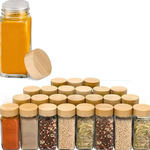
1. Use Uniform Containers (Spice Jars)
- Same size
- Same shape
- Clear labeling
This creates:
- Visual calm
- Easy identification
- Faster cooking
2. Group by Use, Not Type
Don’t just group randomly.
Group like this:
- Cooking spices together
- Baking spices together
- Tea/coffee together
3. Keep Them Close to Action
Spices should live:
- Near the cooker
- In a drawer beside your cooking area
👉 If you have to walk across the kitchen, your system is broken.
Common Mistakes
- Keeping spices in packets
- Mixing old and new containers
- Storing too far from cooking zone
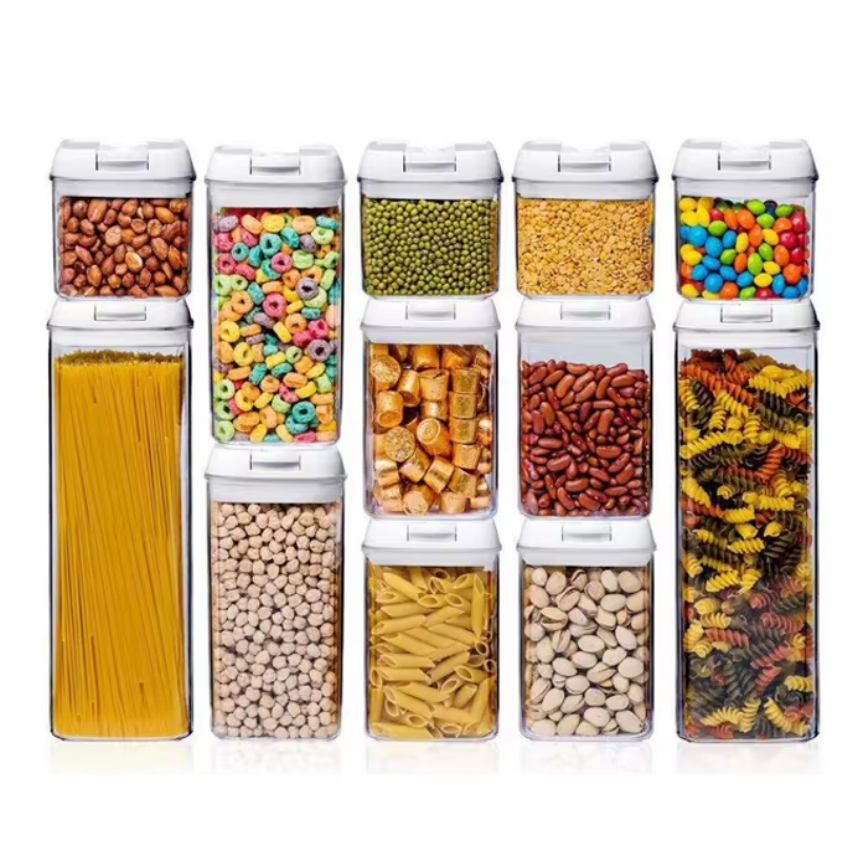
2. Dry Food Organization (Bulk Storage System)

This is your foundation layer.
It includes:
- Flour
- Rice
- Sugar
- Pasta
- Cereals
- Grains
Why This Category Is Critical
If bulk storage is messy:
- Food spoils faster
- Pests become a risk
- Shelves become overcrowded
How to Organize Dry Foods Properly
1. Use Airtight Containers
This is non-negotiable.
They:
- Protect from moisture
- Keep food fresh longer
- Prevent contamination
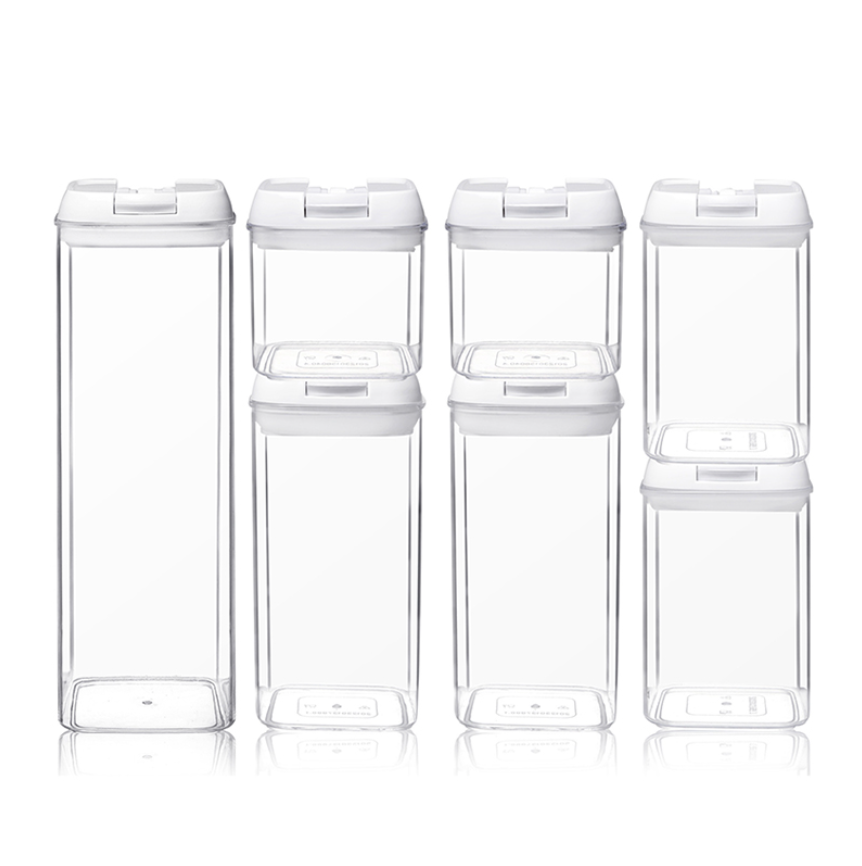
2. Choose Stackable, Clear Containers
This gives you:
- Visibility (you see what you have)
- Space efficiency
- A clean, structured look
3. Standardize Sizes
Avoid:
- Too many different shapes
- Random containers
Instead:
- Use 2–3 consistent sizes
4. Label Everything
This prevents:
- Confusion
- Overbuying
- Waste
Common Mistakes
- Keeping food in its original packaging
- Overbuying containers without planning
- Ignoring expiry and rotation
3. Hidden Organization (Utility & Low-Use Storage)


This is the invisible layer that keeps everything else clean.
Includes:
- Cleaning supplies
- Extra stock
- Rarely used tools
- Utensils
Drawer System (Hidden Organization)

- Holds utensils and tools
- Keeps clutter out of sight
👉 Use dividers and categories
Why Hidden Organization Matters
If this is messy:
- Cabinets overflow
- Clutter spills into visible areas
How to Organize It Properly
1. Use Bins or Containers
- Group similar items
- Avoid loose storage
2. Create Zones
- Cleaning
- Backup food
- Tools
3. Keep It Accessible
Hidden doesn’t mean hard to reach.
Common Mistakes
- Throwing everything together
- Ignoring this space completely
- Letting it become a “dump zone”
4. Liquid Storage (Often Overlooked)

This category includes:
- Cooking oil
- Vinegar
- Syrups
- Sauces
Why Liquid Storage Needs Its Own System
Liquids:
- Spill easily
- Create sticky messes
- Are often stored inconsistently
How to Organize Liquids
1. Use Pour Bottles or Dispensers
- Cleaner
- Easier to control
2. Group by Function
- Cooking oils together
- Sauces together
3. Keep Near Use Area
- Oils near the stove
- Syrups near the drinks station
Common Mistakes
- Keeping bulky original bottles
- Mixing unrelated liquids
- Storing far from usage zones
5. Wet Food Storage (Foods with Liquids)
Includes:
- Soups
- Sauces
- Stews
- Marinated foods
Why This Category Is Different
These foods:
- Leak easily
- Spoil faster
- Require sealing
Best Storage Method
1. Use Leak-Proof Containers
- Tight lids
- Preferably glass or high-quality plastic
2. Store in the Fridge in Zones
- Leftovers together
- Sauces together
3. Use Transparent Containers
So you:
- See what’s inside
- Avoid waste
Common Mistakes
- Using mismatched containers
- Poor sealing lids
- Forgetting what’s stored
6. Cooked Food Organization (Meal Prep System)

This is where your kitchen becomes efficient, not just organized.
Why This Matters
Without a system:
- Food gets wasted
- Fridge becomes cluttered
- Meal prep feels stressful
How to Organize Cooked Food
1. Use Uniform Containers
- Same size
- Stackable
2. Label or Time-Track
- Know when food was stored
- Avoid spoilage
3. Create Fridge Zones
- Ready-to-eat meals
- Ingredients
- Leftovers
4. Prioritize Visibility
If you can’t see it, you won’t eat it.
Common Mistakes
- Overcrowding fridge
- Mixing raw and cooked foods
- No system for rotation
7. Snack & Grab-and-Go Storage


- Biscuits
- Chips
- Small snacks
Best Approach
- Use bins or small containers
- Create a “grab-and-go” section
- Keep it accessible
8. Fresh Produce Organization

Includes:
- Fruits
- Vegetables
Key Principles
- Airflow matters
- Separate fruits and vegetables
- Use baskets or fridge drawers
9. Pantry vs Drawer vs Countertop Systems
Your kitchen isn’t one space.
It’s a combination of zones with different purposes.
Pantry System (Storage Zone)

- Stores bulk items
- Holds backstock
- Not everything needs to be visible
👉 Focus on structure, not aesthetics first
Drawer System (Hidden Organization)

- Holds utensils and tools
- Keeps clutter out of sight
👉 Use dividers and categories
Countertop System (Active Zone)


Rule:
👉 If you don’t use it daily, it doesn’t stay here
This is what creates a clean kitchen feel instantly.
Fridge System (Often Ignored)


- Group similar items
- Use glass containers for leftovers
- Create visibility to reduce waste
Aesthetic vs Functional Kitchens (Finding the Balance)
This is where most people get misled.
The Aesthetic Trap
Everything looks beautiful… but:
- Hard to use
- Hard to maintain
The Functional Trap
Everything works… but:
- Looks cluttered
- Feels overwhelming
The Balance (Netai Approach)
- Clear containers = visibility + beauty
- Matching jars = calm + structure
- Defined zones = flow + ease
👉 Your kitchen should feel as good as it works
The Netai Living System™ for Kitchen Organization
This is your differentiation.
Not containers. Not trends.
A system.
Step 1: Define Your Zones
- Cooking zone
- Prep zone
- Storage zone
Step 2: Assign Roles
- Spice jars → daily use
- Containers → bulk storage
Step 3: Standardize Your Storage
- Matching containers
- Consistent sizes
This reduces:
- Visual clutter
- Decision fatigue
Step 4: Build Accessibility Layers
- Front → daily items
- Back → occasional items
Step 5: Create a Reset-Free Kitchen
If it’s easy to return, it stays organized.
If it’s not… it won’t.
Common Kitchen Organization Mistakes
- Buying containers before planning
- Overcrowding cabinets
- Ignoring your real habits
- Copying Pinterest kitchens blindly
Simple Starter System (Beginner-Friendly)
If you’re starting from scratch:
Start here:
- 6–12 spice jars
- 4–6 airtight containers
- Basic drawer dividers
That’s enough to transform your kitchen flow.
How to Scale Your Kitchen System Over Time
Don’t rush.
Build in layers:
- Fix spices
- Fix dry storage
- Upgrade pantry
- Refine aesthetics
At some point, you’ll notice something.
When your kitchen has:
- Clear containers
- Matching jars
- Defined zones
It feels calmer.
More controlled.
More intentional.
That’s not about buying more.
It’s about building a system that works with you.
Final Thought: Organization That Actually Lasts
Most people think organization is about effort.
It’s not.
It’s about alignment.
When your kitchen is designed around your habits, everything flows.
And suddenly:
- Cooking feels easier
- Cleaning feels lighter
- Your space feels different
Not because you tried harder.
But because your system finally works.
Keep Building Your Netai System
Next reads:
- Best spice jars for your kitchen
- Acrylic storage containers buying guide
- How to organize your pantry
- Glassware organization system
- Kitchen decluttering guide