How to Build a Functional Glassware Set (Not Just Random Glasses)

Walk into most kitchens, and you will not find a glassware set.
You will find survivors. One tall glass from a supermarket promotion. Two mismatched mugs. Three wine glasses that do not belong to the same family. A novelty cocktail glass that looked fun in the shop but never gets used.
It feels normal. But it is not intentional.
A functional glassware set is different. It is built with purpose. It supports daily life. It makes hosting easier. It reduces clutter instead of adding to it.
If you have ever wondered how many drinking glasses you actually need, what types of drinking glasses matter, or how to build a proper glassware set in Kenya, this guide will help you build a system instead of a collection.
READ: Choosing the Right Drinking Glass
What Does “Functional” Really Mean?
Before we talk about types of drinking glasses, let’s define functional.
A functional glassware set:
-
Covers your daily drinks
-
Supports occasional hosting
-
Stores easily in your cabinets
-
Feels visually cohesive
-
Can be replaced without redesigning everything
Function is not boring. It is structured.
When your glasses are intentional:
-
Your cabinets feel calmer
-
Your shelves look styled without effort
-
You stop buying random pieces
Random accumulation is reactive.
A functional set is planned.
That shift changes how your entire kitchen feels.
READ: Best Drinking Glasses for Home Use
The Core Glass Types Every Home Should Understand
You do not need every glass shape that exists. But you should understand the core categories before building your set.
If you search for “types of drinking glasses,” you will find dozens. In reality, most homes only need a few.
Let’s break them down clearly.
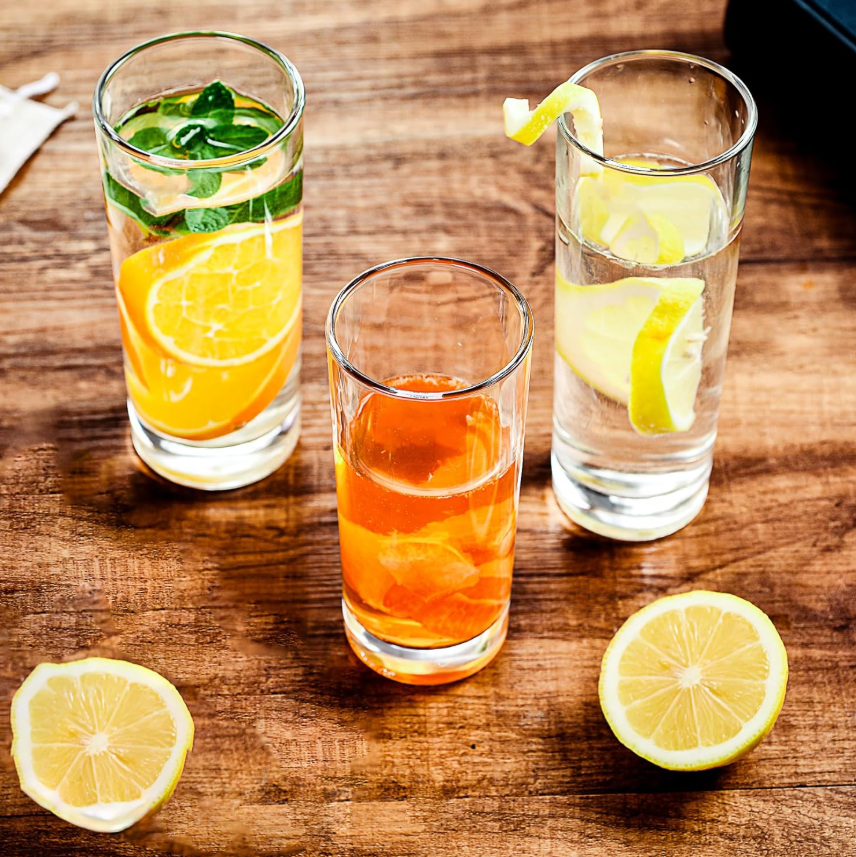
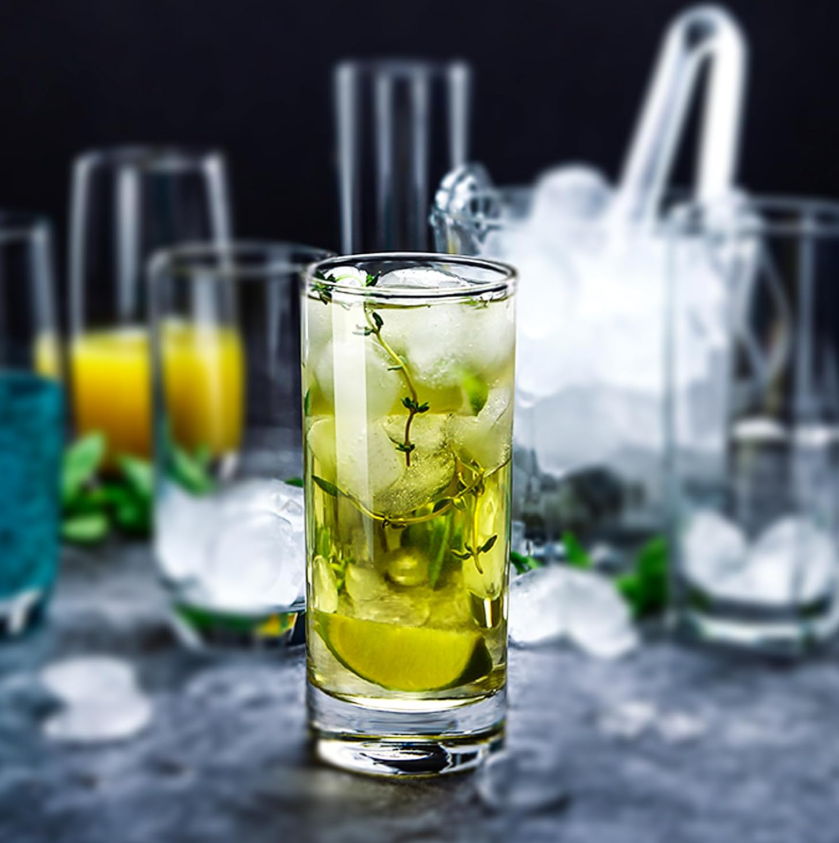
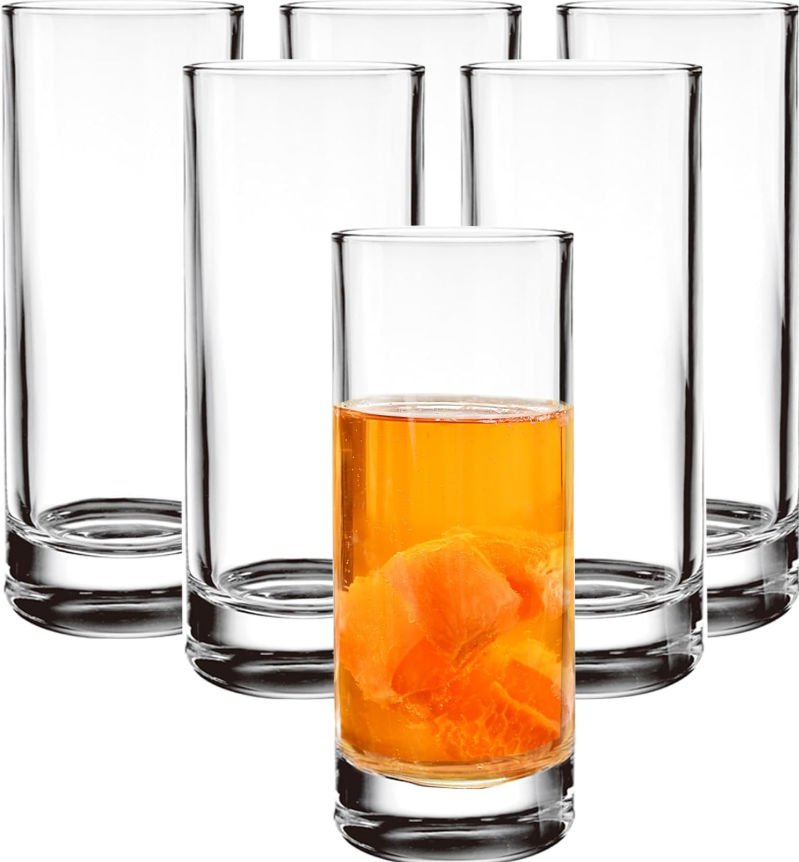
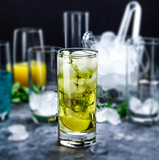
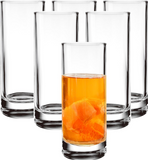
1. Tall Glasses (Tumblers or Highballs)
This is the backbone of any drinking glasses set.
Tall glasses are used for:
-
Water
-
Juice
-
Iced drinks
-
Mocktails
-
Simple cocktails
They are versatile and used daily.
Why they matter:
-
Their height creates visual elegance on a shelf.
-
They handle most drink types comfortably.
-
They are easy to style in groups.
In Kenya, where fresh juices, infused water, and iced drinks are common in warm weather, tall glasses do a lot of heavy lifting.
If you are building from scratch, start here.
2. Short Glasses (Lowball or Rocks Glasses)
Short glasses are wider and lower, usually with a thicker base.
They are used for:
-
Smaller servings
-
Hot chocolate
-
Whisky or spirits
-
Layered drinks
-
Juice for kids
Many homes only buy tall glasses and ignore short ones. That creates imbalance.
Why short glasses matter:
-
They add depth visually when stored.
-
They feel more grounded and stable.
-
They work for drinks that need less volume.
A proper glassware set feels incomplete without them.
Tall glasses create height.
Short glasses create weight.
Together, they create structure.
3. Wine Glasses (Stemmed and Stemless)
Even if you are not a regular wine drinker, wine glasses serve a purpose.
They are useful for:
-
Hosting
-
Mocktails
-
Sparkling drinks
-
Special dinners
There are two main options:
Stemmed Wine Glasses
-
More traditional
-
Keep wine temperature stable
-
Better for formal hosting
Stemless Wine Glasses
-
Easier to store
-
Less fragile
-
Modern and practical
In some Kenyan households, stemless glasses make more sense for everyday living. They are easier to clean and less likely to break in compact cabinets.
If you want to understand how shape affects experience, you can explore a deeper guide that explains how glass design changes aroma and taste. But for everyday homes, practicality should guide your choice.
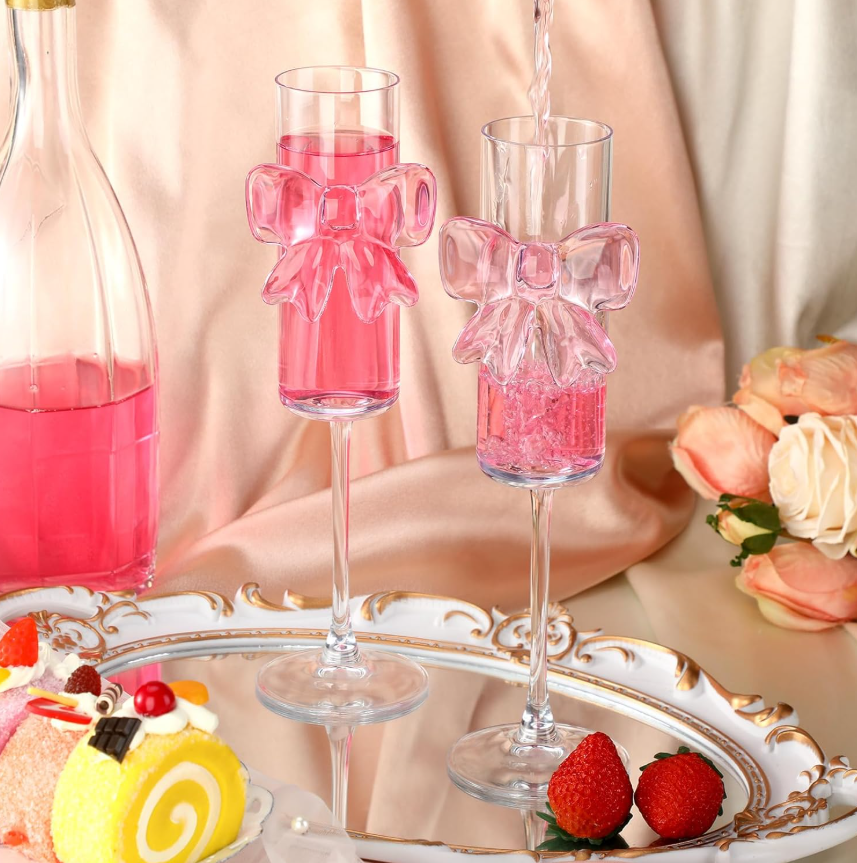
4. Specialty Glasses (Optional Layer)
This is where many people go wrong.
Specialty glasses include:
-
Martini glasses
-
Coupe glasses
-
Margarita glasses
-
Whiskey-specific tasting glasses
They look beautiful. But they are not foundational.
Add specialty glasses only when:
-
You frequently host
-
You regularly drink those specific beverages
-
You have storage space
If your foundation is weak, specialty pieces will feel excessive.
Build the base first. Then layer.
How Many Drinking Glasses Do You Actually Need?
This is one of the most searched questions when building a glassware set.
The answer depends on your lifestyle, not trends.
Let’s break it into realistic scenarios.
Small Household (1 to 3 People)
If you live alone or with one other person:
-
4 to 6 tall glasses
-
4 short glasses
-
2 to 4 wine glasses
Why 4 to 6 instead of 2?
Because:
-
Glasses break
-
Guests visit
-
Washing is not always immediate
This covers daily use comfortably without clutter.
Moderate Household (Family or Occasional Hosting)
If you host friends occasionally:
-
6 to 8 tall glasses
-
6 short glasses
-
6 wine glasses
This allows you to serve 4 to 6 guests without mixing mismatched pieces.
Frequent Entertainer
If your home is often the gathering spot:
-
8 to 12 tall glasses
-
8 to 12 short glasses
-
6 to 8 wine glasses
-
4 to 6 specialty glasses
Even here, restraint matters. More is not always better.
It is better to have 12 cohesive glasses than 20 random ones.
Choosing Glassware Based on Storage Space
Your storage space should guide your decisions. Not Pinterest. Not trends.
Small Cabinets
If you have limited cabinet space:
-
Choose stackable shapes
-
Avoid wide-rim novelty glasses
-
Stick to one or two silhouettes
Oversized glasses look impressive in stores but become inconvenient in real life.
Open Shelving
Open shelves demand cohesion.
If your glasses are visible:
-
Keep shapes consistent
-
Avoid mixing thick and ultra-thin glass randomly
-
Group by height
Transparency creates a clean aesthetic, but only if it is organized.
Bar Carts
If you have a bar cart:
-
Mix tall and short glasses
-
Leave breathing room
-
Do not overcrowd
Height variation creates rhythm. Negative space creates calm.
If you need inspiration on styling principles, even luxury brands like Libbey focus on structured collections instead of chaotic mixes. Cohesion is not accidental. It is designed.
Understanding Glass Materials
Material matters more than most people realize.
When building a glassware set in Kenya, durability is especially important due to daily use, washing habits, and storage conditions.
Here are the main types.
Soda-Lime Glass
-
Most common
-
Affordable
-
Suitable for everyday use
It works well for starter sets.
Tempered Glass
-
Heat-treated
-
More resistant to breakage
-
Better for heavy daily use
If your glasses double as everyday drinkware and hosting pieces, tempered glass is a smart option.
Crystal Glass
-
Thinner
-
Lighter
-
More light refraction
-
Feels luxurious
Crystal is beautiful but more delicate. If your household includes frequent movement, tight storage, or children, durability should outweigh luxury.
Common Mistakes When Building a Glassware Set
Learning from mistakes can save money.
Here are the most common ones.
1. Buying Random Pieces from Different Shops
The shapes rarely match. The thickness varies. The visual language clashes.
Over time, the cabinet looks chaotic.
2. Choosing Trend Over Function
Colored rims. Irregular shapes. Unusual angles.
They look exciting but often:
-
Do not stack well
-
Are hard to clean
-
Break easily
Trends change. Structure lasts.
3. Ignoring Replacement Availability
If you break one glass, can you replace it?
Or do you need to buy an entirely new set?
A functional glassware system considers future replacement.
4. Overbuying Specialty Glasses
Owning six martini glasses does not make sense if you make martinis twice a year.
Specialty should follow usage.
5. Mixing Unrelated Design Languages
Heavy vintage glass next to ultra-modern thin glass creates tension.
Pick a direction:
-
Minimal and clean
-
Classic and weighted
-
Soft and rounded
Then stay consistent.
Building a Glassware System That Grows With You
You do not need to buy everything at once.
Start with:
-
Tall glasses
-
Short glasses
Then add:
-
Wine glasses
Later:
-
Specialty pieces
Upgrade materials over time.
A glassware set should evolve with your lifestyle. When you move homes, host more, or refine your taste, you expand intentionally.
This slow approach prevents waste and regret.
Functional Can Still Be Beautiful
Some people think functional means plain.
It does not.
A functional glassware set:
-
Looks calm on open shelves
-
Feels balanced in cabinets
-
Makes hosting easier
-
Reduces decision fatigue
When your glasses belong together, your kitchen feels intentional.
Beauty comes from cohesion.
Final Thoughts: Build a System, Not a Collection
You do not need 30 glasses. You need the right 12.
Understand the core types of drinking glasses.
Match quantity to your lifestyle.
Choose materials wisely.
Stay cohesive.
When you build a functional glassware set instead of collecting random pieces, your home feels lighter.
Structure reduces chaos. And calm is always aesthetic.
Frequently Asked Questions (FAQ)
How many drinking glasses should a family have?
For a small family of 3 to 4 people, 6 to 8 tall glasses and 6 short glasses are usually sufficient. Add 4 to 6 wine glasses if you host occasionally. The goal is to cover daily use and small gatherings without overcrowding storage.
What are the main types of drinking glasses?
The core types most homes need are:
-
Tall glasses (tumblers or highballs)
-
Short glasses (lowball or rocks glasses)
-
Wine glasses (stemmed or stemless)
Specialty glasses like martini or coupe glasses are optional additions.
What is the most versatile drinking glass?
Tall glasses are generally the most versatile. They can be used for water, juice, mocktails, cocktails, and iced drinks. If you are building from scratch, start with tall glasses.
Is stemless wine glass better for daily use?
Yes, for many modern households, stemless wine glasses are more practical. They are easier to store, less fragile, and suitable for both wine and mocktails. Stemmed glasses are better for formal hosting.
Should I buy a full glassware set or individual pieces?
Buying a cohesive set often creates better visual harmony and easier replacement. However, it is important to ensure the set covers your real lifestyle needs rather than just looking attractive.
What is the best material for everyday drinking glasses in Kenya?
Tempered or durable soda-lime glass is ideal for everyday use. Crystal is better reserved for special occasions due to its delicate nature.
Can I build a functional set in a small apartment?
Yes. Focus on 4 to 6 tall glasses and 4 short glasses. Choose stackable shapes and avoid oversized novelty pieces. Function and storage efficiency matter more than variety.
Building a functional glassware set is not about perfection. It is about clarity.
When your glasses work together, your space feels intentional. And intentional living always wins over random accumulation.