Complete Guide to Drinking Glasses for Home

Drinking glasses are some of the most used items in the home, yet they’re often the least considered. We reach for them half-awake in the morning, refill them without thinking, stack them in cupboards, and replace them only when one chips or breaks. And somehow, we expect every glass to do the same job.
But the truth is this: the glass you drink from quietly shapes the entire experience.
The weight in your hand, the width of the rim, how cold it stays, how it looks on your table or in your fridge. All of it matters more than we realise. The right drinking glass can make water feel fresher, tea feel more grounding, and even a simple juice feel intentional instead of rushed.
In many Kenyan homes, glassware is chosen last. Whatever is available, whatever came in a set, whatever was on offer. Yet as our homes become more intentional, our routines more ritual-driven, and our kitchens more organised, drinking glasses are starting to get the attention they deserve.
This guide breaks it all down. From understanding the different types of drinking glasses, to choosing glassware for home that fits your lifestyle, space, and daily habits. Whether you’re upgrading your kitchen, setting up a new home, or simply wondering why some drinks just taste better in certain glasses, this is your master guide to drinking glasses in Kenya.
One you’ll keep coming back to, not because it’s trendy, but because it helps your home work better, one sip at a time.
READ: How to Create a “Signature Look” for Your Home
What Are Drinking Glasses?
Drinking glasses are everyday vessels designed for water, juice, tea, and other non-specialty drinks. They’re the glasses you reach for without thinking, the ones that live at the front of the cupboard, the ones that get used multiple times a day.
Unlike specialty glassware, which is designed for a specific drink or occasion, drinking glasses are meant to be versatile. They work across moments, not just events. A single glass might hold water in the morning, juice at lunch, and a simple evening drink later on.
Specialty glassware, like wine glasses, cocktail glasses, or champagne flutes, is shaped to enhance a specific drink. Drinking glasses, on the other hand, are about daily function. They’re built for repeat use, easy washing, stacking, and real-life living.
Every home needs a thoughtful glassware foundation because drinking glasses quietly set the tone for daily routines. When the basics are intentional, everything else feels easier. You hydrate more. You host with less stress. Your kitchen feels calmer and more put together without trying too hard.
Choosing the right drinking glasses isn’t about having more. It’s about having pieces that support how your home actually works.
Types of Drinking Glasses and Their Uses
Most people think of drinking glasses as one category. In reality, glassware falls into clear families, each designed for a different kind of moment. When you understand these categories, choosing glassware stops being confusing and starts feeling intentional.
Below is a structured breakdown that helps you see where everyday drinkware ends, where alcohol glassware begins, and where cocktail culture becomes its own lane.
1. Everyday Drinkware (Non-Alcoholic + Casual Use)
This is the foundation of most homes. These are the glasses that live at eye level in your cupboard because they’re used daily, sometimes hourly.
Tumbler / Water Glass
Simple, straight-sided, and versatile. Ideal for water, juice, and everyday drinks. This is the glass most people reach for without thinking.
Highball Glass
Tall and narrow, designed for drinks with ice and volume. Perfect for water, fresh juice, mocktails, iced coffee, and iced tea. A staple in many Kenyan homes because it works across the day.
Lowball / Rocks Glass
Shorter, wider, and more grounded. Often linked to whiskey, but equally useful for juice, water, and evening drinks when you want something that feels calm and steady.
Juice Glass
Smaller than a tumbler, designed for portioned drinks. Useful for breakfast routines and for homes that value moderation and freshness.
Iced Tea Glass
Taller than a standard tumbler, often slightly flared. Designed to hold ice comfortably while keeping the drink refreshing.
Glass Mugs
With a handle for grip and heat protection. Ideal for tea, coffee, and warm drinks. They blur the line between drinkware and comfort.
Double-Wall Glasses
Insulated glasses that keep hot drinks hot and cold drinks cold while staying cool to the touch. Practical, modern, and visually clean.
This category covers most daily needs. When done right, it carries your home through 80 percent of your drinking moments.
2. Alcohol Glassware (General)
This category moves from daily routine into social and celebratory use. These glasses are designed to enhance aroma, temperature, and presentation.
Wine Glasses
Includes red wine glasses, white wine glasses, and stemless wine glasses. Each shape supports how wine opens up, but stemless versions are more common for everyday use.
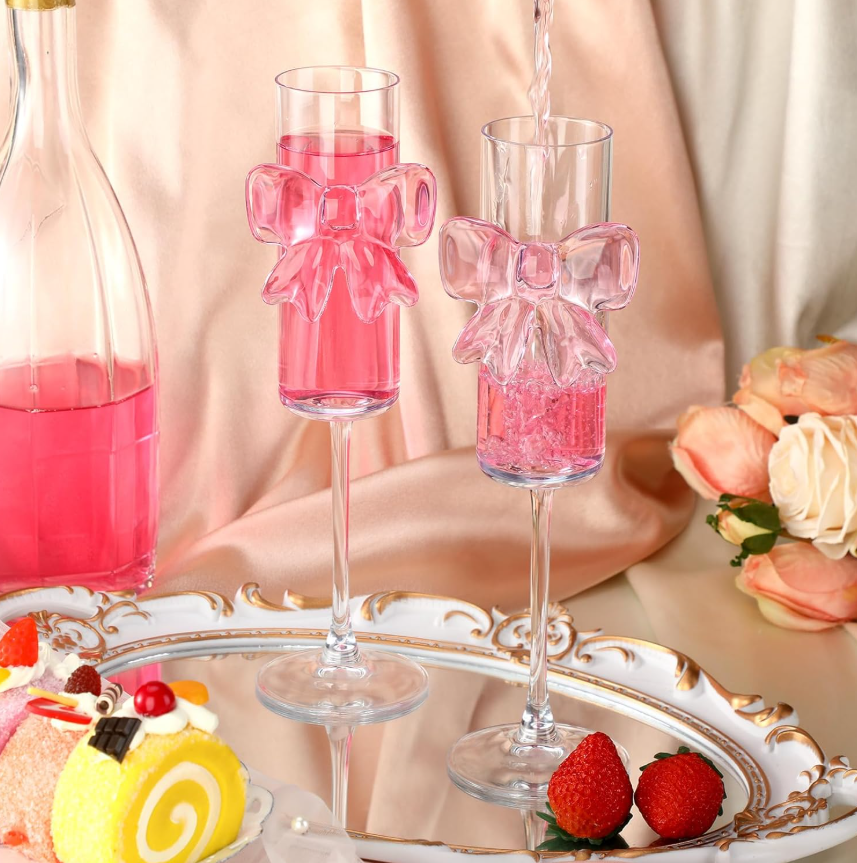
Champagne Flute
Tall and narrow to preserve bubbles. Used for celebrations, toasts, and special moments.
Coupe Glass
A shallow, rounded bowl traditionally used for champagne and classic cocktails. Elegant and timeless.
Beer Glasses
Includes pint glasses, beer mugs, and pilsner glasses. Each supports foam retention and flavour depending on the beer style.
Shot Glasses
Small, sturdy glasses used for spirits and, increasingly, for wellness shots like ginger or turmeric blends.
While these glasses are more occasion-based, they still form part of a balanced glassware collection.
Cocktail and Mocktail Glasses
This is where glassware becomes expressive. Cocktail and mocktail glasses shape how a drink looks, smells, and feels. Many of these glasses work for both alcoholic and non-alcoholic drinks.
Core Cocktail & Mocktail Glasses
Martini Glass
Wide, iconic shape used for martinis, cosmopolitans, and alcohol-free mocktails served without ice.
Coupe Glass
Rounded and elegant. Used for daiquiris, sours, and modern mocktails. More stable than a martini glass and increasingly popular for home use.
Nick & Nora Glass
Smaller, refined alternative to the coupe. Ideal for spirit-forward cocktails and elegant mocktails.
Highball Glass
Used again here for cocktails and mocktails like mojitos, virgin mojitos, gin and tonic, and infused sodas.
Lowball / Rocks Glass
Essential for drinks served over ice, including mocktails, old fashioneds, and non-alcoholic bitters blends.
Tall & Specialty Cocktail Glasses
Collins Glass
Taller than a highball, used for long drinks like Tom Collins and citrus-forward mocktails.
Hurricane Glass
Curved and dramatic, commonly used for tropical cocktails and blended mocktails.
Zombie Glass
Tall and narrow, often used in tiki-style cocktails and mocktails.
Tiki Mug
Often ceramic, but part of cocktail and mocktail culture. Used for bold, playful presentations.
Frozen & Blended Drinks
Margarita Glass
Wide rim designed for salt or sugar. Used for frozen margaritas and citrus-based mocktails.
Poco Grande Glass
A shorter, more modern alternative to the margarita glass. Easier to hold and store.
Layered & Visual Drinks
Pousse-Café Glass
Tall and narrow, designed to showcase layered drinks.
Cordial / Pony Glass
Small glasses for concentrated drinks, tasting pours, and strong mocktails.
4. Specialty & Niche Drinkware
These glasses aren’t used daily, but they exist for specific traditions and preferences.
Brandy Snifter
Wide bowl and narrow opening to concentrate aroma.
Grappa Glass
Small and tulip-shaped for aromatic spirits.
Absinthe Glass
Designed for ritual preparation.
Irish Coffee Glass
Handled glass for hot cocktails.
Toddy Glass
Used for warm, spiced drinks.
Understanding these categories helps you build a glassware collection that feels complete without being excessive. The goal isn’t to own every glass, but to know which ones support the way you drink, host, and live.
Why Drinking Glasses Matter More Than You Think
Most people think a glass is just a container. But the shape, weight, and feel of a glass quietly influence how a drink tastes, how long it stays at the right temperature, and how present you feel while drinking it.
A tall glass makes water feel colder and more refreshing. A wide rim allows aromas to open up before the first sip. A heavier base slows you down without you even noticing. These details change the experience long before the drink itself does.
There’s also a psychological layer we rarely talk about. When you use the right glass for the moment, your brain registers intention. A tea glass signals pause. A lowball glass signals unwind. A message Libbey glass signals mood. You’re not just hydrating or sipping, you’re entering a state.
This is where daily rituals differ from hosting moments. Hosting glasses are about impression. Daily glasses are about support. One helps you show up for others. The other helps you show up for yourself. Both matter, but they serve different roles.
When your everyday glassware is chosen with care, small moments stop feeling rushed. Water breaks become grounding. Tea feels like a reset instead of a habit. Even a quick drink feels considered.
In the Netai way of living, the right glass doesn’t shout. It quietly changes how you experience everything it touches.
Drinking Glasses Commonly Found in Kenyan Homes
In most Kenyan homes, glassware has to work hard. Space is limited, cupboards are shared, and every item is expected to earn its place. This is why versatility matters more than having many options.
You’ll often find a core set of tumblers or highball glasses doing most of the work. These glasses move easily from water to juice to tea without feeling out of place. They stack well, wash easily, and fit into everyday routines without demanding special care.
Because kitchen storage in Kenya is usually practical rather than expansive, glassware that serves multiple purposes naturally becomes the favourite. Tall glasses that double as water glasses and mocktail glasses. Low glasses that work for juice in the afternoon and a slow evening drink later on. Function always comes first.
Another reality is durability. Drinking glasses in Kenya need to handle frequent use, hand washing, and shared family routines. Fragile or overly delicate pieces tend to stay at the back of the cupboard, while sturdy, well-balanced glasses become the daily go-to.
This is why thoughtful drinking glasses for Kenyan homes focus on balance. Not too many shapes. Not too precious to use. Just enough variety to support daily life while keeping storage calm and organised.
When glassware fits the way your kitchen actually works, everything feels easier.
Glassware for Home: How to Build a Balanced Set
A balanced glassware set isn’t about having every type of glass. It’s about covering your everyday needs without overcrowding your cupboards or complicating your routines.
Start with how you actually drink. Most homes need a strong everyday base. A set of tumblers or highball glasses usually does the heavy lifting. These are the glasses you’ll use for water, juice, tea, and quick refreshers throughout the day. If this layer is solid, your kitchen already feels more functional.
Next, think about slower moments. Lowball glasses or short tumblers work well for evenings, guests, or drinks you want to enjoy without rushing. They add variety without adding clutter, and they stack easily alongside everyday glasses.
Then consider rituals. Tea glasses, wellness shot glasses, or a few message Libbey cup glasses introduce intention into daily habits. These don’t need to be many. Just enough to support moments that matter to you.
Finally, hosting glasses come last. Wine glasses, champagne flutes, or cocktail glasses don’t need to be large sets unless you host often. A small, well-chosen selection is usually enough to feel prepared without overcommitting space.
In Kenyan homes, storage is part of the decision. Stackable shapes, multi-use designs, and durable glass matter more than owning a full catalogue. A balanced set should fit neatly into your cupboard and into your life.
When your glassware is intentional, your home feels calmer. You stop rearranging, replacing, and second-guessing. Everything has a place, and every glass has a purpose.
Materials Used in Drinking Glasses
Not all drinking glasses are made the same. Beyond shape and size, the material of a glass affects how it feels in the hand, how it holds temperature, and how well it survives daily life. Understanding the basics helps you choose glassware that fits your home, not just your aesthetic.
Soda-Lime Glass
Soda-lime glass is the most common material used for drinking glasses. It’s what you’ll find in most everyday tumblers and highball glasses.
It’s affordable, lightweight, and functional. Easy to produce and easy to replace, soda-lime glass works well for daily hydration and casual use. While it’s not the most resistant to breakage, its simplicity makes it practical for homes that prioritise everyday use over formality.
For many households, this is the starting point of their glassware collection.
Tempered Glass
Tempered glass is designed to be stronger and safer. Through a heat treatment process, the glass becomes more resistant to impact and temperature changes.
This is why tempered glass is especially popular in Kenyan homes. It handles frequent use, shared kitchens, and hand washing better than standard glass. When it does break, it shatters into smaller, less dangerous pieces, making it a safer option for families.
If your glassware is used often and stored tightly, tempered glass offers peace of mind without sacrificing clarity or style.
Crystal Glass
Crystal glass sits in a different category. It’s finer, heavier, and designed to enhance clarity and sound.
Crystal is best used for hosting, special occasions, or moments where presentation matters more than durability. Wine glasses, champagne flutes, and decorative pieces often use crystal because it elevates the experience.
In everyday Kenyan kitchens, crystal usually plays a supporting role rather than leading one. It comes out when the moment calls for it, not for daily hydration.
Choosing the right material helps your glassware last longer and feel right in your hands, day after day.
How to Choose the Right Drinking Glasses for Your Lifestyle
Choosing drinking glasses isn’t about having everything. It’s about having what actually works for the way you live. The right glassware should feel natural in your routine, not like something you have to protect or overthink.
Daily Use vs Occasional Use
If a glass is used every single day, it needs to be practical first. Think sturdy tumblers, tempered highballs, and pieces you don’t stress about washing or stacking.
Occasional-use glasses serve a different purpose. These are for hosting, celebrations, or slow weekends. They can be more delicate, more expressive, and more mood-driven. The key is balance: everyday glasses carry the workload, while occasion glasses add intention when it matters.
Families vs Solo Living
In family homes, versatility wins. Glasses get shared, stacked, moved around, and used for more than one thing. Durable materials and multipurpose shapes make life easier.
Solo living allows for more personalization. You can choose glasses based on ritual and preference, not just practicality. One great water glass, one favourite coffee glass, one wine glass that feels like yours. Fewer pieces, more intention.
Kids in the House
When kids are part of the picture, safety matters. Tempered glass, thicker bases, and shorter designs reduce breakage risks. Some households mix materials, using glass for adults and alternative drinkware for children.
It’s less about perfection and more about choosing glasses that fit real life, not ideal scenarios.
Storage Space
Storage often decides more than taste. Kenyan kitchens vary widely in cabinet height and shelf depth, so stackability matters.
If space is tight, choose glasses that nest well and serve multiple purposes. Tall glasses that double as water and juice glasses, or tumblers that work for both cold drinks and casual cocktails, reduce clutter while keeping options open.
Aesthetic Preferences
Your glasses should match the energy of your home. Minimal, bold, playful, or classic, the right aesthetic makes everyday use feel intentional.
A cohesive look doesn’t mean everything matches perfectly. It means the pieces belong together and make sense in your space. When your glassware aligns with your style, even a simple glass of water feels considered.
The best drinking glasses aren’t the fanciest ones. They’re the ones that quietly fit into your life and make daily moments feel easy.
Common Mistakes People Make When Buying Drinking Glasses
Buying drinking glasses might seem simple, but small mistakes can turn your collection into clutter that’s hard to use and even harder to enjoy. Here’s where most people go wrong:
Buying Random Sets
Mixing and matching without purpose often leads to chaos in the cupboard. You end up with glasses that don’t stack, don’t fit your cabinets, or never see daily use. Intentional sets that cover your real needs work far better than random, pretty pieces.
Choosing Style Over Function
A glass might look stunning, but if it’s awkward to hold, hard to wash, or too delicate for daily use, it quickly becomes more stress than joy. Prioritize function first—style should complement how you live, not replace it.
Ignoring Storage and Stacking
Size, shape, and stackability matter more than most people realize. A tall, narrow glass might look sleek, but if it can’t sit safely in your cabinet or fridge, it creates frustration. Plan for how your glasses live, not just how they look on the table.
How to Care for and Maintain Drinking Glasses
A glass is only as good as the care it gets. When you treat your drinking glasses intentionally, they last longer, stay clear, and make daily rituals feel effortless.
Hand Wash vs Dishwasher
Not every glass thrives in a dishwasher. Tempered and everyday tumblers handle it fine, but delicate stemware, message glasses, and crystal need gentle hand washing. Use warm water, mild soap, and a soft cloth or sponge. Think of this as part of the ritual, not a chore.
Preventing Cloudiness
Cloudy glasses happen when minerals, soap residue, or tiny scratches build up over time. Rinse thoroughly, avoid harsh detergents, and let glasses air-dry completely. Occasional vinegar or baking soda soaks refresh even the most used pieces.
Storage Tips
How you store glasses is just as important as how you clean them. Stackable tumblers save space, stemware should be upright and separated, and daily-use glasses should be within easy reach. In Kenyan kitchens, where space is precious, intentional placement keeps routines smooth.
When to Replace Glasses
Even the best glasses wear out. Chips, cracks, or persistent cloudiness are signs it’s time for a swap. Replace before a break turns into a mess. A small rotation ensures your collection stays practical, safe, and beautiful.
With these habits, drinking glasses stop being fragile objects and become tools that support your daily life, your rituals, and your home’s energy.
Not Considering Breakage and Replacement
Glass breaks. It happens. Choosing items that are easy to replace or mix into a set ensures your collection stays practical over time. Skipping this consideration means every broken piece becomes a source of stress rather than a small, manageable loss.
When you avoid these mistakes, your drinking glasses stop being a logistical headache and start being tools that make your home feel effortless, intentional, and calm.
First, Beauty Always: How Netai Approaches Drinking Glasses
At Netai, glassware isn’t just about function, it’s about moments. Every piece is designed for real homes, not showroom kitchens. That means your glasses can handle daily routines, family breakfasts, solo evenings, and spontaneous hosting without feeling precious or fragile.
We believe in intentional sets over random pieces. You don’t need a cupboard full of glasses you never use. Instead, a well-curated collection covers everyday hydration, wellness shots, casual mocktails, and hosting needs, all while feeling cohesive on your shelves.
Netai isn’t a trend brand. We’re a long-term partner for your kitchen. Our drinking glasses are built to age gracefully with your home, supporting rituals, routines, and special moments alike. Over time, they become part of your story quietly reliable, beautifully designed, and always ready to elevate your day.
Explore the full Netai Drinking Glasses Collection and start building your intentional, lasting glassware foundation.
Choosing Drinking Glasses That Fit Your Life
Drinking glasses aren’t just functional; they’re part of how your home supports you. The right set quietly shapes your routines, uplifts small daily rituals, and keeps life feeling intentional without adding stress.
Think beyond buying the prettiest piece on the shelf. Focus on what fits your lifestyle: the glasses you actually use, that stack well, feel good in your hand, and support moments from morning water to evening mocktails.
Intentional upgrades adding a versatile highball, a thoughtful message glass, or a durable tumbler transform ordinary sips into moments of calm, focus, or celebration. Over time, this small attention creates a home that feels curated, practical, and alive with little rituals.
With a considered glassware foundation, every pour becomes part of the rhythm of your life. Your drinks taste better, your kitchen runs smoother, and your home quietly supports the way you live, every single day.